
Dr. Daniella Perri Blog
Postpartum Health & Wellness
Dr. Daniella Perri Blog
Postpartum Health & Wellness
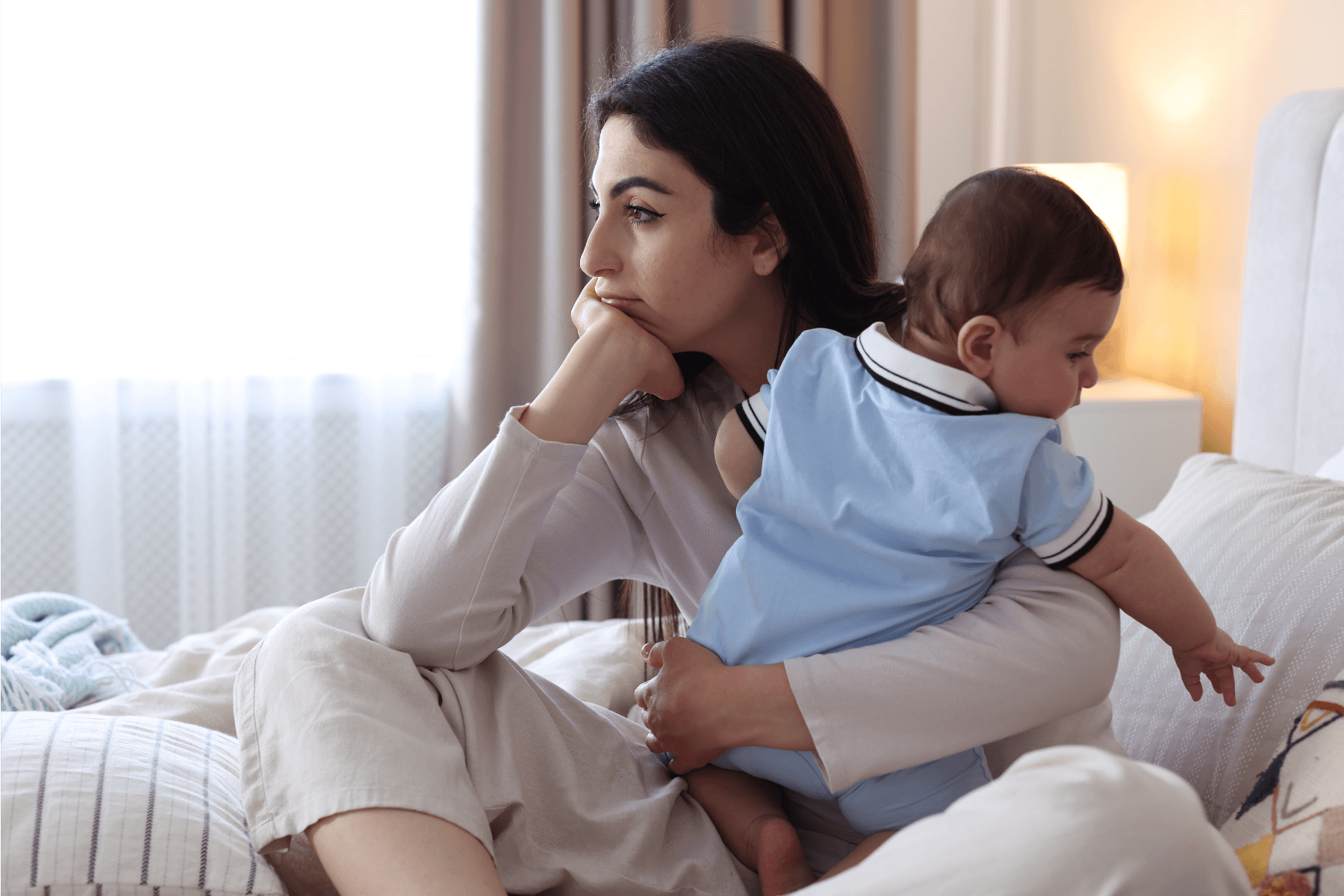
Your immediate postpartum period can be overwhelming! Sleep deprivation, elation, daily visitors, and newborn cries can affect your mental health and ultimately, your physical wellbeing. So many moms experience postpartum symptoms, yet they can overlap with those of postpartum mood disorders. That’s why it’s difficult to identify if a loved one is actually experiencing postpartum depression or the baby blues. Knowing the signs and symptoms can help partners and family members get that postpartum mom the help she needs and deserves.
The symptoms of baby blues typically surface within the first few days after giving birth. The important thing to know is that these symptoms are temporary and should improve within 2 weeks postpartum as you and your baby find a routine and rhythm to feedings and sleep.
Common symptoms are:
Postpartum depression may include all of the symptoms of baby blues with the following additional symptoms listed below. These symptoms typically last longer than 2 weeks. The likelihood of developing postpartum depression is greater if you have a personal medical history of depression and anxiety, and especially if you have active symptoms during your pregnancy. More on risk factors later.
Common symptoms are:
Moms who are stricken with anxiety over motherhood tend to get brushed aside as just being frantic and sleep-deprived. In reality, this occurs alongside postpartum depression. The sadness and loss of interest are felt in tandem with hyperactivity and obsessive worrying.
If these symptoms also last more than 2 weeks postpartum, you should seek professional help. This is important, especially if you experienced anxiety during pregnancy and were taking medication for it.
Postpartum psychosis is a rare but dangerous psychiatric emergency. It may start with baby blues and postpartum depression, but it evolves very quickly. The drastic hormonal fluctuations during the postpartum period are a trigger for this disorder, and a major risk factor is if you already suffer from bipolar disorder.
What to look out for:
Knowing the risk factors can help make it easier to identify the signs and symptoms of a postpartum mood disorder. When you know the risk factors, you heighten your awareness.
Personal history of mental health concerns: If you suffered from anxiety and depression before pregnancy, you are at risk of developing postpartum depression, especially if there is a lack of support and/or delayed treatment management.
Traumatic birth experience: Even without a personal mental health history, having a traumatic birth experience puts you at risk for developing postpartum anxiety/depression. Fear for your life and/or your baby’s life can create anxious feelings that can last well into the postpartum period.
Lack of social support: Pregnancy, birth, and new parenthood can be very overwhelming even to the even-tempered. Not having a social circle to rely on can make the transition into postpartum more difficult.
Stressful life events: A major move, financial difficulties, relationship issues, domestic abuse, or a loss can increase the propensity to experience postpartum baby blues and/or depression.
Delay or pause in treatment medication: If you were taking anti-depressants or anxiolytics prior to pregnancy but stopped because of the pregnancy, the delay in resuming your treatment can increase your risk of mood disorders in the postpartum period.
The first step is to acknowledge that you need help. Talking with your naturopathic doctor, family doctor, or postpartum doula is the first step. If you don’t know where to go for help, the following list may be helpful to find the resources you need. You don’t have to bear this alone while trying to be the perfect mom. Get the help you deserve so you can thrive and elevate your motherhood experience.