

Dr. Daniella Perri Blog
Postpartum Health & Wellness
Dr. Daniella Perri Blog
Postpartum Health & Wellness
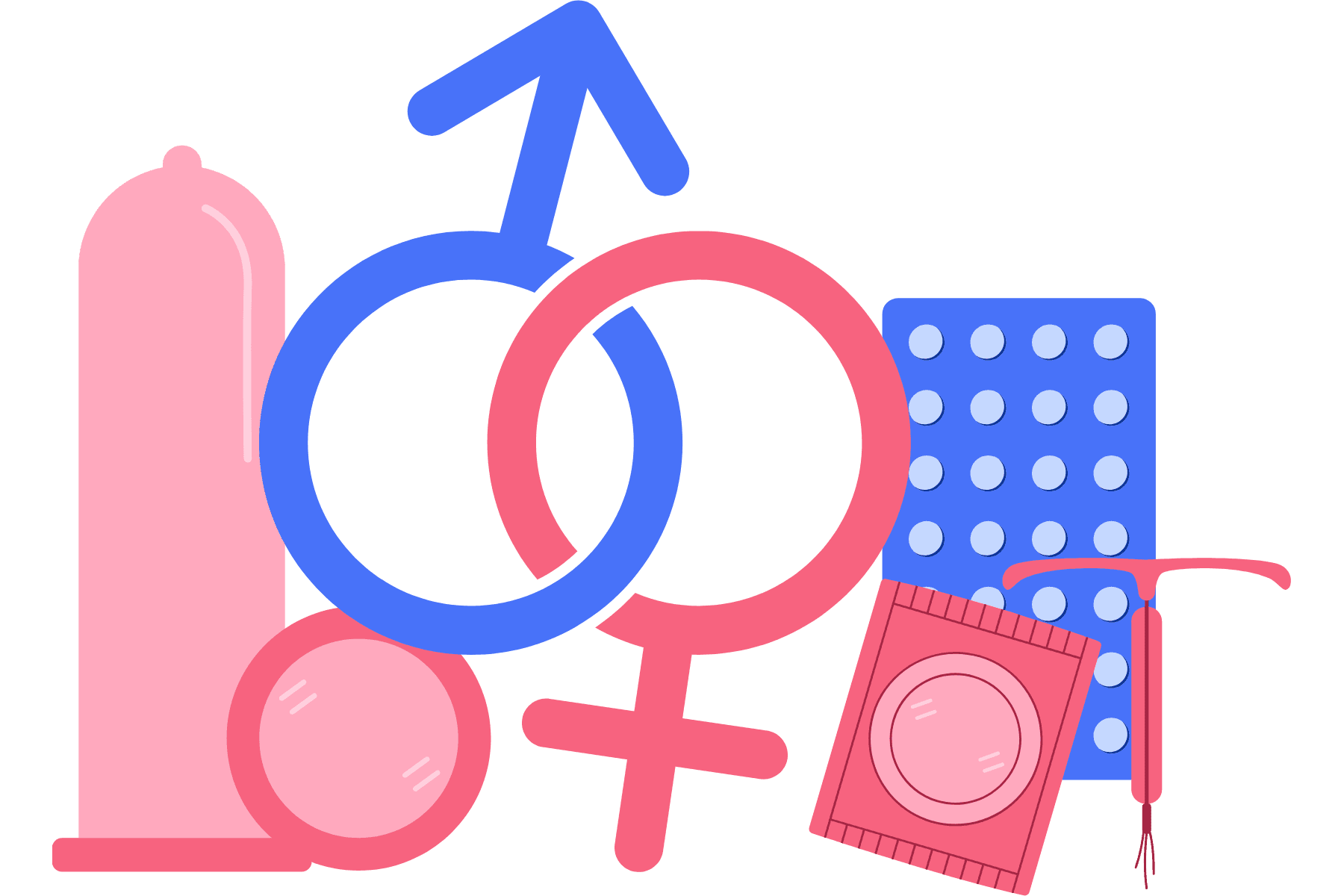
Don’t want to get pregnant again while you’re navigating your postpartum? It’s time to talk about methods of birth control while breastfeeding! There are many ways to avoid pregnancy that can be safe for you and your baby.
A common myth is that you can’t get pregnant while you’re breastfeeding. In reality, you can ovulate before your first period while you’re breastfeeding if prolactin isn’t maintained at a high level—which means that the frequency and exclusivity of breastfeeding matters when it comes to ovulation.
Lactational Amenorrhea is the absence of your period during breastfeeding. The hormone, prolactin, prevents ovulation when there are high levels in your bloodstream. As prolactin drops, ovulation and menses resume. This can happen at different times for every mom.
As a method of birth control, lactational amenorrhea is only effective if you’re breastfeeding exclusively all the time. Once prolactin levels drop, there’s always a possibility for ovulation! So, let’s explore some safe options for birth control while breastfeeding.
Remember to always talk to your naturopathic doctor, postpartum doula, or family doctor about which birth control method may be best for you.
This method is really only effective if you are breastfeeding exclusively around the clock and haven’t had your period yet. However, there are women whose breastfeeding frequency decreases naturally and their periods are still absent. Remember that ovulation can occur before your first postpartum period arrives.
Cervical Cap
A soft plastic cover that goes over the cervix to prevent sperm from entering. It’s more effective with spermicide.
Condoms
These are most commonly used amongst couples and take the pressure off of the mom to be responsible for birth control while breastfeeding.
Non-hormonal IUD
Copper Intrauterine Device (IUD)
This IUD doesn’t contain any hormones. The body reacts to it like it’s a foreign body and makes changes to the uterine environment to make the uterus uninhabitable. Food for thought!
Tubal Ligation and Vasectomy
Tubal ligation is the surgical procedure where fallopian tubes are removed and cauterized (burned at the ends). This is generally done by women who don’t wish to be pregnant again as it’s irreversible. It’s also more efficient to have done if the method of birth is through cesarean section.
A vasectomy is the surgical procedure where a male’s vas deferens (tubes that are attached to the testes) are removed and cauterized at the ends. The goal is to prevent sperm from entering the semen during ejaculation. A semen analysis should render a sperm count of zero after this procedure!
Withdrawal Method
This is the “pulling out” method. It can be effective, but just remember that you can still ovulate even without having a period. Pregnancy is still possible.
Calendar Method
This method involves tracking your period using a calendar or an app. It's easier to use once your period has returned, as you can identify what days you will be most fertile. But again, just like the withdrawal method, you don’t know exactly when you are ovulating!
Birth control while breastfeeding is not just the responsibility of the mom. Male partners can participate in this feat too. Male condoms and vasectomies are viable options for women who want to avoid surgery, IUD placement, and hormones.
While traditional oral contraceptive hormones are not recommended due to the estrogen content, progesterone-only contraceptive medication is another option for birth control while breastfeeding. Talking to your medical doctor can help clarify if this option is right for you, especially if you have long-term goals for breastfeeding your baby.
Family planning is a smart way to preserve the energy and bonding of the family unit. So, give yourself time to heal, recover, and strengthen.
All of this information can be overwhelming. Let me take that stress away from you and talk to you about your options in easy to understand terms. Book your appointment here. and let's create a plan together!