Dr. Daniella Perri Blog
Postpartum Health & Wellness
Dr. Daniella Perri Blog
Postpartum Health & Wellness
While everyone is so ecstatic to see and hold the new baby, mom’s journey into the fourth trimester may not be all that exciting, especially when there’s uncertainty. During pregnancy, you had a break from your monthly cycle, not worrying about what pads or tampons to pile into your purse!
After baby arrives, your body undergoes dramatic shifts to help you recover physiologically. This sends you on a postpartum bleeding ride that may be hard to navigate when you don’t know what’s normal. So, when it comes to postpartum bleeding, what’s normal?
First of all, if you research postpartum bleeding, the term Lochia will most likely show up. It is a word used to describe the postpartum vaginal discharge, which contains blood, uterine fragments, and mucus (Stat Pearls, 2022). As you progress from immediate postpartum to 6 weeks postpartum, the colour of the lochia changes too.
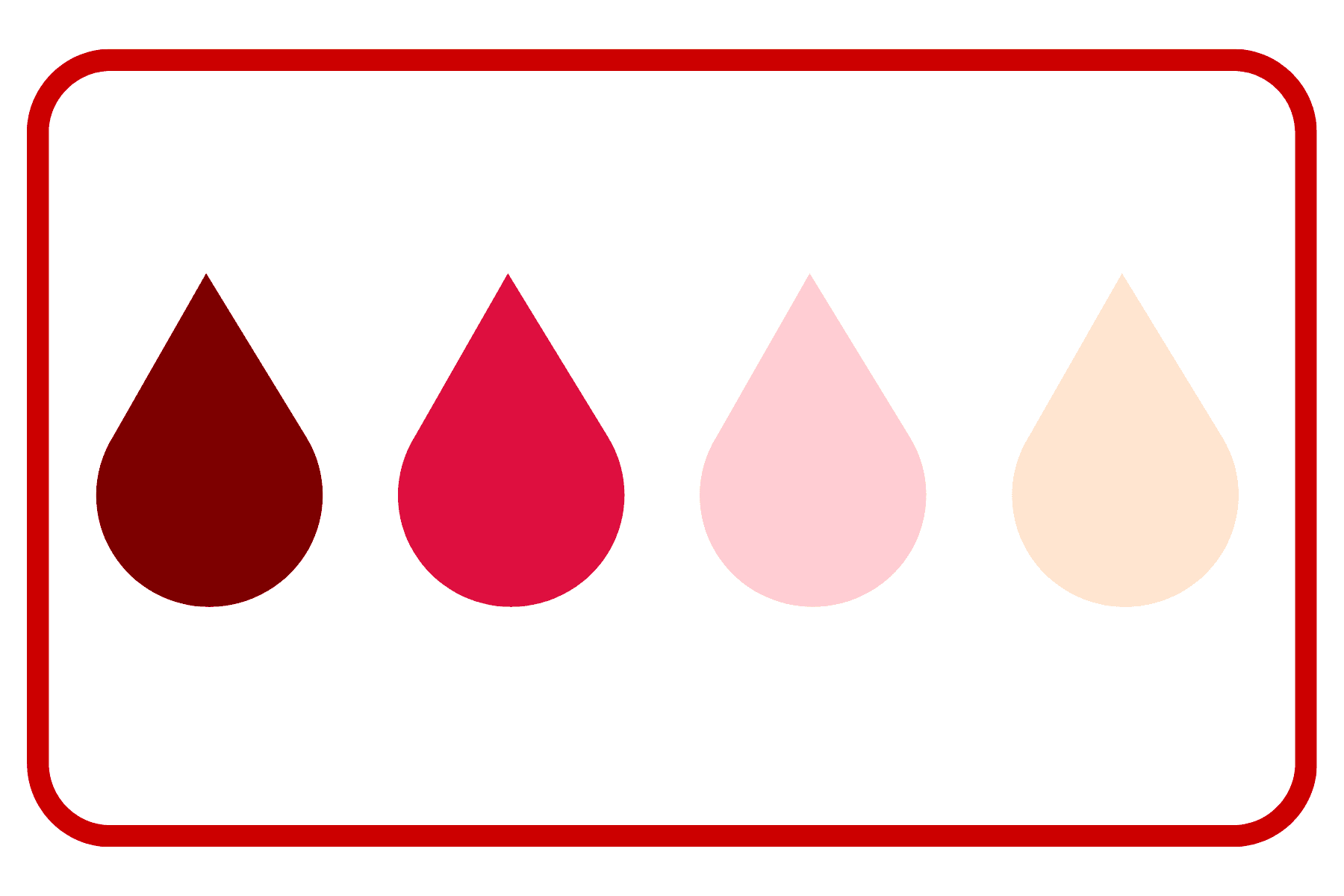
Postpartum bleeding has a typical progression of colour and volume changes (Nursing Health Promotion, n.d.). I’ve outlined the three stages of normal bleeding below.
Stage 1: Lochia Rubra (days 1-4 postpartum)
Colour: bright to deep red blood
Volume: heavy, can fill a pad within 1 hour and may have small clots. If you’re filling a pad within 30 minutes and are experiencing extreme pain, call your midwife and go to your nearest emergency department. You may be experiencing some issues with placental retention.
Stage 2: Lochia Serosa (days 5-12)
Colour: pinkish to brown
Volume: lighter, with fewer or no clots
Stage 3: Lochia Alba (Days 13 to 6+ weeks)
Colour: yellowish white or cream coloured
Volume: very little, no need to wear a pad or just a light liner, no blood
There are three ways the body stops postpartum bleeding.
Normal uterine involution: After the baby is born, the uterus shrinks from 1000g to 50g by 6 weeks. This reduction in size helps to reduce the bleeding.
Medical oxytocin: Patients have the option of receiving an injection of oxytocin right after birth. The oxytocin helps the uterus contract, which compresses blood vessels that once fed into the placenta.
Natural oxytocin: If you decide to breastfeed, the process enables natural oxytocin to be secreted from the brain to help reduce uterine bleeding over the course of 6 weeks.
Earlier, I mentioned that extreme pain accompanying the bleeding is a sign that something is not right. There are other warning signs that you should know so that you can get the help you need promptly.
Soaking through a pad designed for heavy flow in less than an hour is a concern. Too much blood loss too fast is not good!
Clot size: passing clots that are bigger than the size of your fist is a concern. Call your midwife. Anytime you pass clots and are not sure, call your midwife!
Regression of Lochia: if bright red bleeding returns after it has changed to white, take note and get help (StatsPearls, 2022).
Infection signs: lower abdominal pain, fever, and foul smelling discharge may indicate a uterine infection. You need to be assessed medically (StatPearls, 2025).
These warning signs are not meant to scare you, but to offer more information so that you can make an informed decision about your health!
So now that you know about postpartum bleeding and what’s normal, here are five tips on how to manage it all.
Avoid tampons for the first 6 weeks. Use pads instead, preferably ones that are organic or those that have a cotton-only layer on top.
Never line your underwear with a pee pad to catch leaky overflow. This creates a breeding ground for vaginal yeast to grow. Just make it a point to change your pad often.
Use a perineal bottle to wash the area after urinating. Wiping can exacerbate inflammation in sensitive areas.
Use padsicles made with skin healing herbs to help reduce inflammation and soothe the skin.
Sexual intimacy can wait until you feel that you are fully recovered; and that can be beyond the 6 weeks. Speak to your health care provider if you are being pressured when you’re not ready.
If you need more support and education surrounding postpartum bleeding, let me know! Book a free consult here so we can chat about your options!
Physiology, Postpartum Changes: StatPearls Publishing. (2022). Physiology, Postpartum Changes. StatPearls [Internet]. https://www.ncbi.nlm.nih.gov/books/NBK555904/
Postpartum Care and Nursing Interventions: Nursing Health Promotion. (n.d.). Postpartum Care. NCBI Bookshelf. [Updated April 2025]. https://www.ncbi.nlm.nih.gov/books/NBK615369/
Postpartum Infection and Clinical Management: StatPearls Publishing. (2025). Postpartum Infection. StatPearls [Internet]. https://www.ncbi.nlm.nih.gov/books/NBK560804/